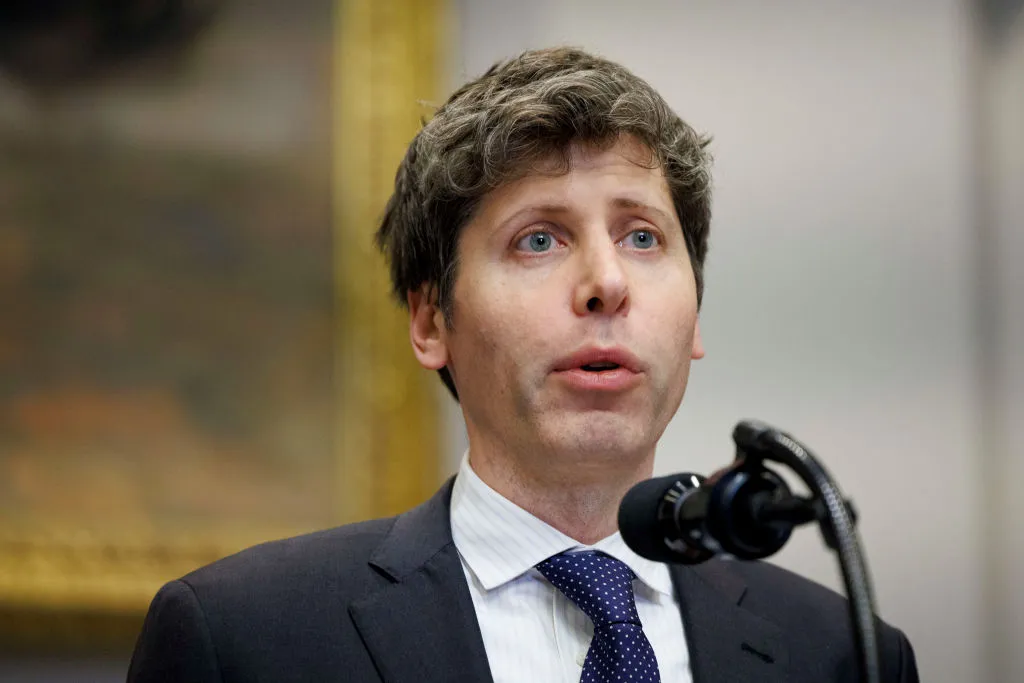

OpenAI’s CEO Sam Altman has issued a public apology to the residents of Tumbler Ridge, a small town in British Columbia, Canada. The apology comes after the company failed to alert local law enforcement about a suspect who later committed a mass shooting.
In a letter addressed to the community, Altman said he is “deeply sorry” for the oversight. The specifics of what OpenAI knew and when remain murky, but the gist is clear: the company had information about the individual that could have been relevant to authorities, and they sat on it.
This is one of those situations where the technical details matter less than the human cost. A town of roughly 3,000 people is now dealing with the aftermath of a tragedy that might have been preventable. Altman’s apology, while necessary, feels like the bare minimum at this point.
What bothers me here is the pattern. OpenAI has been in hot water before over how they handle sensitive data and threat detection. Their moderation systems have been criticized for being either too aggressive or not aggressive enough, depending on the week. But this isn’t about flagging a spicy meme or a questionable joke—this is about a real-world threat to human life.
The company’s internal processes for escalating serious concerns to law enforcement clearly broke down. Whether it was a bureaucratic failure, a misinterpretation of their own policies, or simple negligence, the result is the same: people died, and the company had a chance to intervene.
Altman’s apology letter is a start, but I’d like to see some concrete changes. What specific protocols are being put in place to ensure this doesn’t happen again? Who at OpenAI is now responsible for monitoring and escalating threats? And how will the company cooperate with ongoing investigations?
Tumbler Ridge deserves more than just an apology. They deserve transparency and accountability. The rest of us, who use or build AI systems, should be paying close attention. If a company like OpenAI can drop the ball this badly, what about smaller players with even fewer safeguards?
This isn’t just a PR crisis for OpenAI. It’s a stark reminder that AI safety isn’t just about preventing rogue superintelligences or biased algorithms. Sometimes, it’s about the basic, boring stuff: having a clear process for when to call the cops. And right now, it looks like they failed that test.
Comments (0)
Login Log in to comment.
Be the first to comment!