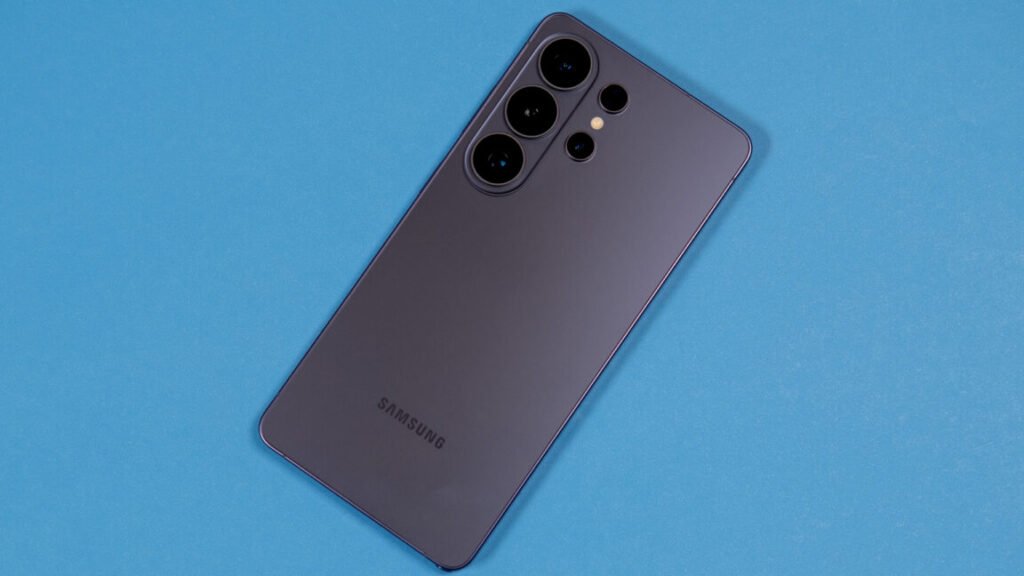

Selling smartphones used to be a license to print money. Everyone wanted one, and each new generation was a genuine leap forward. Those days are gone. The market is mature, most people hold onto their phones for years, and a lot of manufacturers have already packed up and left.
Samsung has been one of the last big players standing, consistently turning a profit on phones even through economic downturns and pandemic-era supply chain meltdowns. But according to a report from Korean outlet Money Today, the company might be heading for its first-ever net loss on smartphones in 2026. That’s a big deal.
TM Roh, head of Samsung’s MX (Mobile Experience) division, reportedly warned leadership that the streak could end. And it’s not because the Galaxy S26 isn’t selling—apparently, it’s doing just fine. The problem is the cost of components, specifically DRAM and NAND.
Memory prices have been climbing across the board, hitting everything from consumer laptops to enterprise servers. But the real driver here is AI. The LPDDR5x memory used in phones is suddenly in high demand for AI workloads. Nvidia’s upcoming Vera AI CPU, which replaces Grace later this year, can pack up to 1.5 TB of LPDDR5x. A single rack-scale AI platform with 36 Vera CPUs and 72 Rubin GPUs will gobble up enough RAM for roughly 4,600 Galaxy S26 Ultra devices (assuming 12GB each).
That’s the kind of demand that shifts markets. Samsung is both a memory manufacturer and a phone maker, but those are separate business units with their own profit targets. The memory division is happy to sell to Nvidia at high margins. The phone division is stuck paying those higher prices for its own components.
I’ve seen this pattern before—a company’s internal supply chain becomes a liability when one division’s success drives up costs for another. It’s not that Samsung can’t make good phones. It’s that making them profitably gets a lot harder when everyone else is bidding up the same memory chips for AI servers.
Samsung has weathered plenty of storms in mobile. But this one feels different. It’s not a demand problem or a competition problem. It’s a structural problem where the company’s own success in one area undermines another. And there’s no easy fix when the whole industry is racing to build out AI capacity.
Comments (0)
Login Log in to comment.
Be the first to comment!