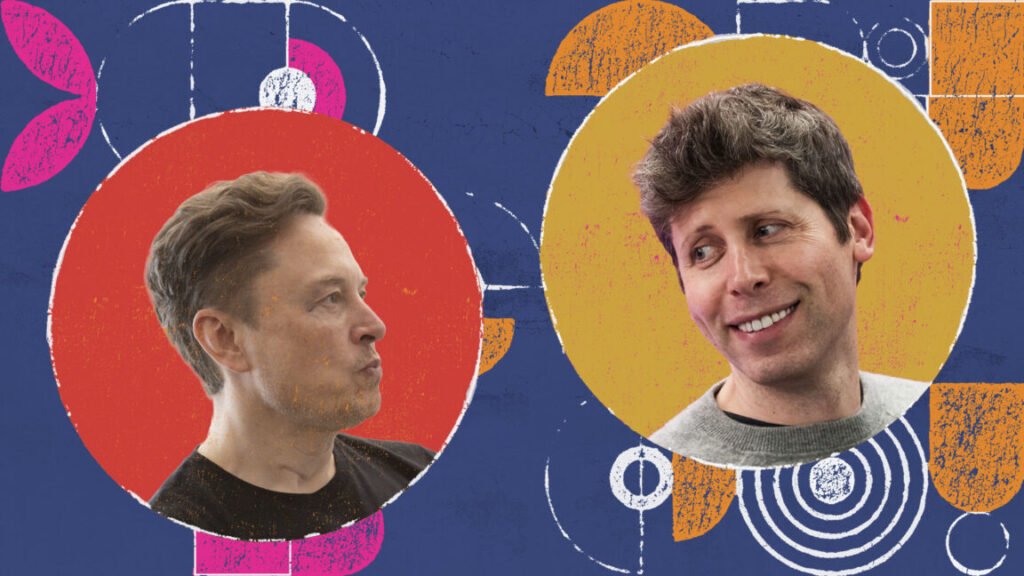

The trial everyone in tech has been waiting for finally kicks off this week. Elon Musk is going after OpenAI and Sam Altman, arguing the company has abandoned its original nonprofit mission. The core claim: OpenAI was supposed to ensure AI benefits all of humanity, not just pad the pockets of billionaires.
Let’s be real—this looks like a grudge match on the surface. Musk was an early donor and advisor to OpenAI before walking away. Altman is now the face of the company, even as insiders reportedly question whether he’s still committed to the mission. But there’s way more at stake here than two oversized egos clashing in a courtroom.
The outcome could reshape the entire AI industry. If Musk wins, OpenAI’s ability to run a for-profit arm—the one that funds its expensive research—gets gutted. No more cross-subsidizing the nonprofit with commercial revenue. That changes everything about how the company operates.
More specifically, a win for Musk could mean Greg Brockman and Sam Altman get booted as officers. Altman could also lose his board seat. That’s not just a personnel shakeup; it fundamentally alters who controls one of the most powerful AI labs on the planet.
I’ve been watching this case since it was filed, and what strikes me is how much hinges on a legal interpretation of OpenAI’s original charter. The company started as a nonprofit with lofty ideals. Then it created a capped-profit arm to attract capital. Then that arm started looking a lot like a regular tech company. The question is whether that drift violates the founding promises.
Musk has a point—the shift has been dramatic. But he’s also not exactly a neutral party here. He left OpenAI, started his own AI company (xAI), and now wants to hobble a competitor through litigation. It’s hard to separate legitimate concerns about AI governance from personal rivalry.
Still, the trial matters beyond the personalities. If the court forces OpenAI to unwind its for-profit structure, it sets a precedent for how AI companies can (or can’t) evolve. Other labs will have to think twice before promising one thing at launch and pivoting later. That could slow down commercial AI development, which might not be a bad thing given how fast everything is moving.
Altman’s defense will likely center on pragmatism: building safe AGI is expensive, and the for-profit arm is the only way to fund it at scale. He’ll argue the mission hasn’t changed, just the means of achieving it. Whether that holds up in court is another matter.
I’ll be watching the first few days closely. The judge’s initial rulings on evidence and scope will tell us a lot about how this plays out. Either way, the AI landscape looks very different after this trial ends.
Comments (0)
Login Log in to comment.
Be the first to comment!