
The first 24 hours of the US assault on Iran saw more than 1,000 targets hit — nearly double the scale of the “shock and awe” campaign that opened the Iraq War over two decades ago. That kind of acceleration doesn’t happen by throwing more bombs. It happens by throwing more algorithms.
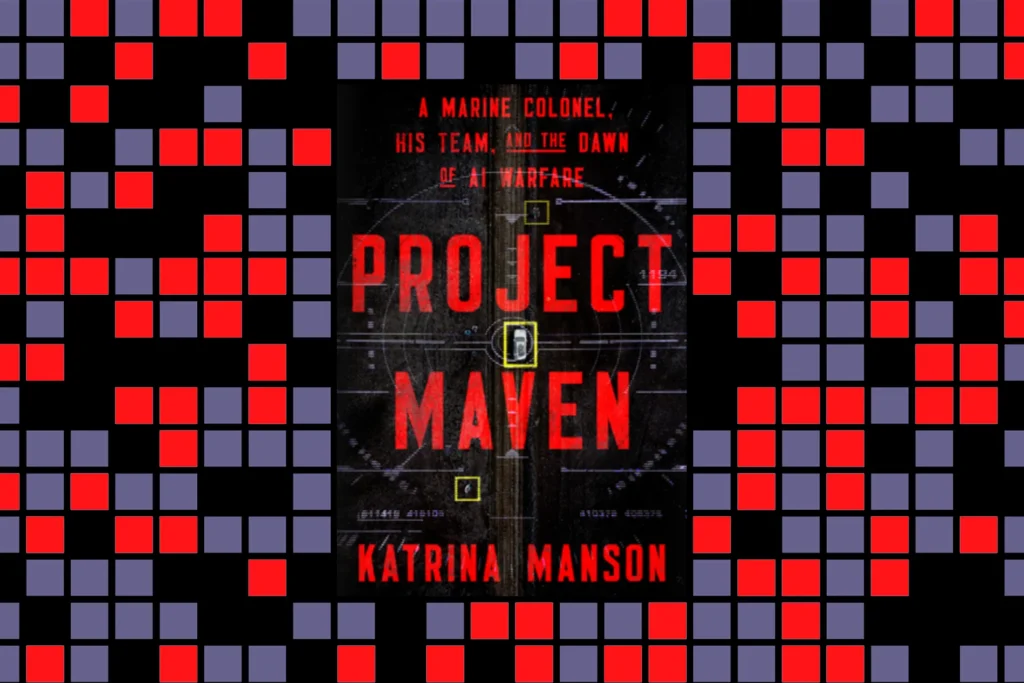
The system at the center of this shift is the Maven Smart System. And if you want to understand how the military went from skeptical about AI to fully dependent on it, Katrina Manson’s new book Project Maven: A Marine Colonel, His Team, and the Dawn of AI Warfare is the best place to start.
Manson traces the project back to 2017, when it was little more than an experiment in applying computer vision to drone footage. The military had terabytes of video and not enough human eyes to watch it. Maven was supposed to flag objects of interest — vehicles, buildings, people — so analysts could focus on decisions rather than staring at grainy feeds for hours.
Then came the Google backlash. When word got out that the search giant was the initial contractor, employees revolted. Thousands signed petitions. Some quit. Google eventually backed out of the contract, citing its AI principles. It was a rare public rupture between Silicon Valley and the defense establishment, and it forced the military to rethink how it builds AI systems.
What emerged was Maven 2.0, built by a small team inside the Pentagon rather than handed off to a prime contractor. The Marine colonel who led the effort, according to Manson, had to navigate bureaucratic resistance, technical hurdles, and lingering suspicion from troops who didn’t trust a machine to tell them where to shoot.
By 2026, that suspicion has evaporated. The Iran campaign demonstrated what Maven can do at scale: identify, prioritize, and assign targets faster than any human team could manage. 1,000 targets in 24 hours is not just a number — it’s a signal that the nature of warfare has changed.
Manson’s reporting doesn’t shy away from the ethical questions. What happens when the algorithm gets it wrong? Who is accountable for a misidentified target? The book apparently goes deep on these issues, though I haven’t read it yet — it’s on my list.
What strikes me is how quickly the narrative flipped. In 2017, AI in warfare was controversial enough to spark mass protests at one of the world’s most valuable companies. Nine years later, it’s the default. The military doesn’t just tolerate AI now; it can’t imagine operating without it.
That’s a hell of a trajectory, and Manson’s book seems to capture both the technical evolution and the cultural shift. If you’re interested in how technology actually changes institutions — not just in theory, but in practice — this sounds like essential reading.
Comments (0)
Login Log in to comment.
Be the first to comment!