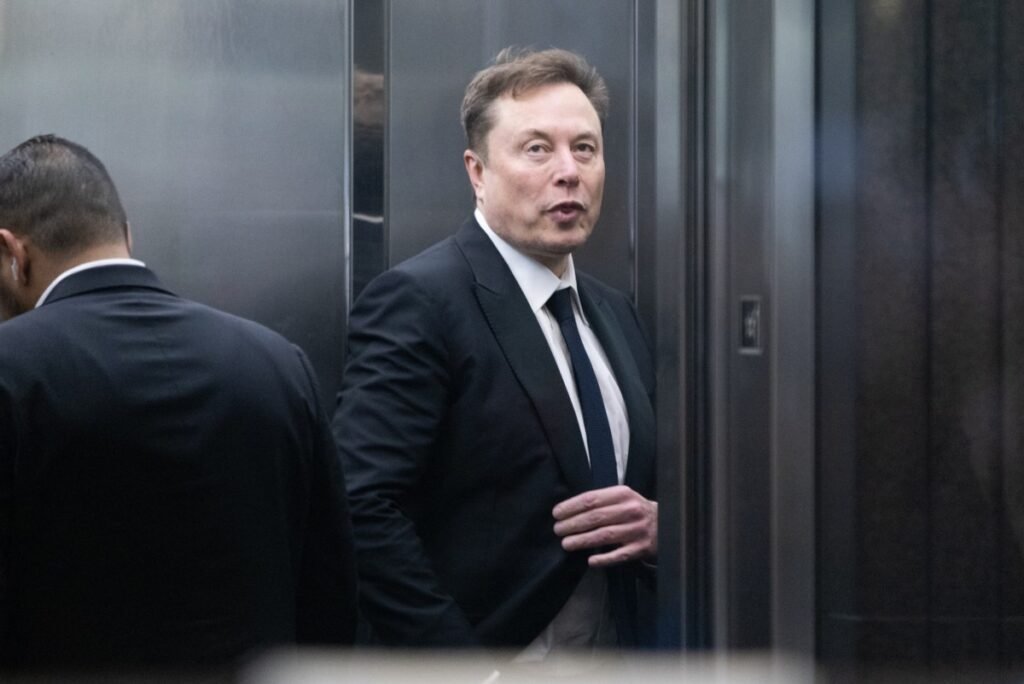

Elon Musk took the stand this week and dropped a bombshell that’s been rattling around the AI world: xAI trained Grok on OpenAI’s models. Specifically, he said the company used a technique called distillation to pull knowledge out of GPT-4 and into their own system.
Let’s be real — this isn’t some Hollywood heist. Distillation is a well-known method in machine learning. You take a big, expensive model (the teacher) and use its outputs to train a smaller, cheaper model (the student). The student learns to mimic the teacher’s behavior, often achieving comparable performance at a fraction of the cost. It’s like studying someone else’s notes instead of reading the entire textbook.
What makes this interesting is the context. Musk has been publicly critical of OpenAI for years — he co-founded the company, then left, then sued them, then dropped the lawsuit. Now we learn that his own startup, xAI, was feeding off the very models he’s been attacking. That’s a bit awkward, to say the least.
But here’s the thing: almost everyone in the industry does this. Distillation is standard practice when you’re building a new model and you don’t have the compute budget to train from scratch. Google does it. Meta does it. Even OpenAI themselves have done it with other models. The difference is that OpenAI’s terms of service explicitly prohibit using their outputs to train competing models. xAI appears to have done exactly that.
Musk’s defense? He claimed that xAI’s use was for research purposes and that they didn’t commercialize the distilled model. That’s a thin line, and I’m not sure it holds up. If Grok is a product — and it is, with subscribers paying for access — then training it on OpenAI’s outputs feels like a violation, regardless of the technique used.
I’ve been following this space long enough to know that model distillation is one of those gray areas that everyone exploits until someone gets caught. Frontier labs like OpenAI, Google, and Anthropic have been screaming about it because they’re the ones getting copied. But they also benefit from the same ecosystem — they train on web data that includes outputs from other models, including their own competitors.
The real issue here isn’t the technology. It’s the lack of clear rules. The AI industry is operating on a patchwork of terms of service, copyright law, and gentleman’s agreements that nobody actually follows. Musk’s testimony just pulls back the curtain on a practice that’s widespread but rarely admitted in court.
What happens next? OpenAI could pursue legal action, but that would open a can of worms about their own training data. Regulators might finally step in, but they’re still trying to figure out what an AI model even is. For now, this is a reminder that the AI race is messy, hypocritical, and driven by pragmatism over principles.
Musk is a master of playing both sides — criticizing OpenAI publicly while quietly using their work. That’s not a crime, but it’s not a good look either. And for the rest of us, it’s a front-row seat to the growing pains of an industry that desperately needs some honest rules of the road.
Comments (0)
Login Log in to comment.
Be the first to comment!