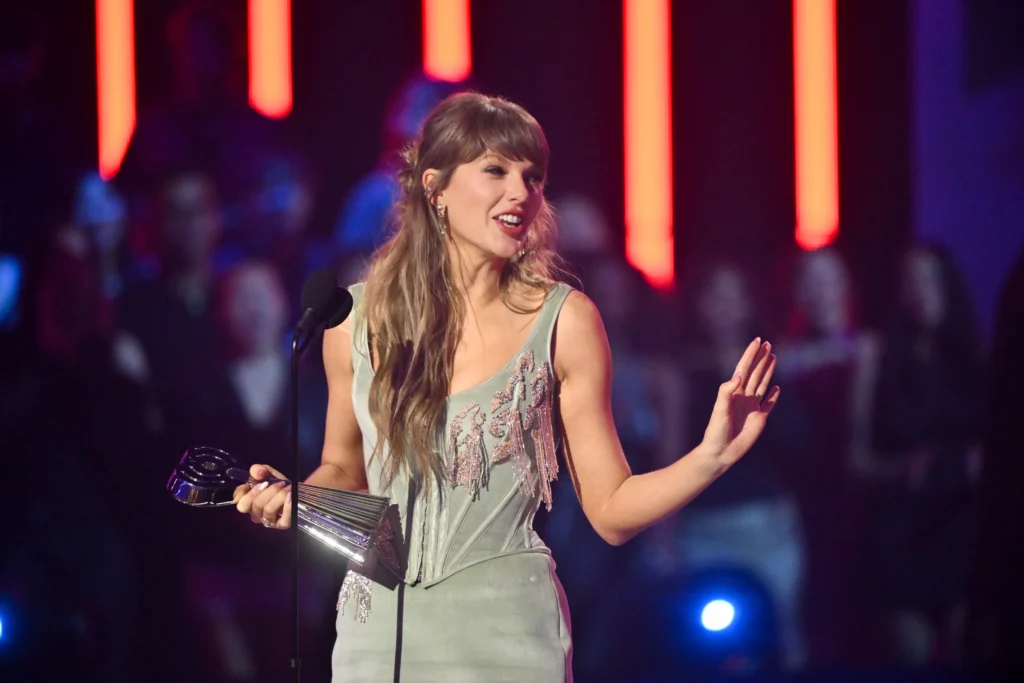

Another day, another deepfake scam, and this time it’s Taylor Swift and Rihanna being used as bait on TikTok. Authentication firm Copyleaks released a report showing that scammers are getting pretty good at generating AI videos of celebrities in interview settings—red carpets, podcasts, talk shows—and then slapping them into ads for shady services.
The ads themselves are a predictable mess. They promise users can earn money by watching TikTok content and giving feedback. Classic “get rich quick” nonsense, but with a shiny AI veneer. Some even include TikTok’s official branding to look legit, though clicking through redirects you to third-party sites that ask for your personal information. Surprise, surprise.
One ad featured a disturbingly realistic AI avatar of Swift urging users to sign up. I’ve seen enough of these to know where it goes: you hand over your email, maybe your phone number, and suddenly you’re on a spam list or worse. The scammers are getting smarter about production value, but the playbook is the same.
What’s interesting here is how convincing the deepfakes have become. The lip-syncing, the lighting, the background—they’ve nailed the context. A casual viewer scrolling through TikTok might not think twice. That’s the danger. We’re past the era of obvious glitches and uncanny valley artifacts. These things look real enough to fool a tired parent or a teenager looking for easy cash.
Copyleaks didn’t name specific campaigns, but they noted that the ads often manipulate real footage with AI. So it’s not just generating a face from scratch—it’s taking an existing interview and swapping the audio or tweaking the expressions. That’s harder to detect because the source material is already authentic.
TikTok’s moderation has been hit-or-miss on this front. The company has policies against synthetic media that misleads users, but enforcement is spotty. By the time a scam ad gets flagged, it’s already been seen by thousands. And the scammers just spin up new accounts with slightly different variations.
This isn’t just a TikTok problem, of course. Deepfake scams are everywhere now—YouTube, Instagram, even LinkedIn. But TikTok’s algorithm is particularly good at amplifying engaging content, and a fake celebrity endorsement is catnip for engagement. The platform needs to get ahead of this, but I’m not holding my breath.
If you see an ad promising easy money from a celebrity, assume it’s a scam. That’s been true since the dawn of the internet, but now the face is harder to dismiss. Don’t click. Don’t share. Just report it and move on.
Comments (0)
Login Log in to comment.
Be the first to comment!