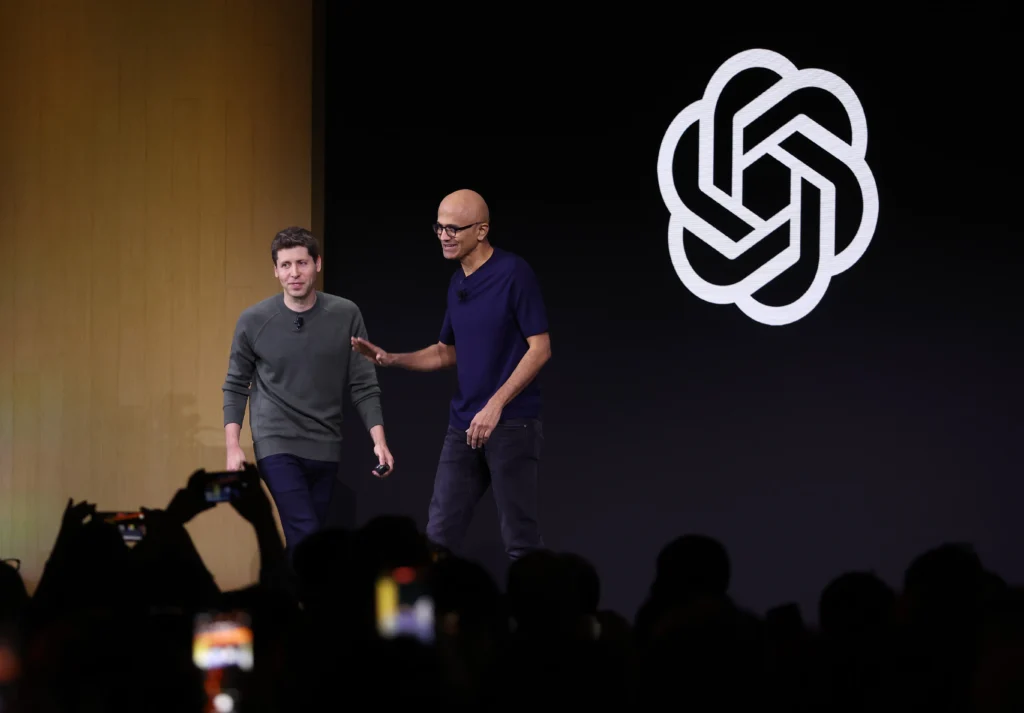

Microsoft and OpenAI have had a weird relationship for years. It was never a simple partnership—more like a situationship with constant renegotiating, executive drama, and passive-aggressive moves over AI infrastructure. I figured it would end badly, with lawyers and bad blood.
But this week, the two officially separated, and against all odds, it was surprisingly amicable.
On Monday, Microsoft announced updates to its long-standing OpenAI deal. The biggest change: OpenAI can now make its products and services available across all cloud providers, not just Microsoft’s Azure. That’s a huge shift from the exclusivity that defined their original agreement.
A day later, OpenAI confirmed the news and added its own spin. No dramatic press releases, no mudslinging. Just a clean break that lets both sides move on without burning bridges.
I’ve been watching this partnership since the early days, and the tension was always there. Microsoft wanted control over the infrastructure; OpenAI wanted independence. The original deal locked OpenAI into Azure, which made sense when the startup needed compute power and credibility. But as OpenAI grew, that exclusivity started chafing. Reports of disagreements over pricing, capacity, and strategic direction kept surfacing.
The new deal essentially unwinds that lock-in. OpenAI can now shop around for cloud services, which means Azure will have to compete on merit, not contract. For Microsoft, it’s a risk—they lose the exclusive access to OpenAI’s models that gave Azure a competitive edge. But it also removes a headache: no more managing a partner that was increasingly acting like a rival.
I think this is the right move for both sides. Microsoft can focus on building its own AI stack (Copilot, Azure AI) without the awkwardness of propping up a competitor. OpenAI gets the flexibility to scale without being tied to one vendor’s infrastructure limitations.
Will this affect the broader AI market? Probably. Other cloud providers like AWS and Google Cloud now have a clearer path to offering OpenAI’s models. That could drive down prices and accelerate adoption, which is good for developers and businesses. But it also means more fragmentation—every cloud will claim to have the best AI, and the real winners will be the ones that integrate it most seamlessly.
Overall, I’m impressed by how cleanly this was handled. No leaks, no lawsuits, no public spats. Just two companies admitting the old arrangement wasn’t working and agreeing to a divorce that lets both move forward. Rare in tech, rarer in AI.
Comments (0)
Login Log in to comment.
Be the first to comment!